The ‘Daily Active’ approach, which has been designed to support schools in embedding physical activity across the whole school day so that young people lead more active lives, has reached an exciting 'Test and Learn' phase.
Developed in collaboration with the Welsh Government and Public Health Wales, Daily Active will help schools create learning environments that promote a whole school approach to physical activity - before, during and after school.
The aspiration is for every school in Wales to enable children and young people to be active, in a way that works for them. Excitingly, we’re currently in the ‘Test and Learn phase’ which involves Hope Stanger, Daily Active Officer, working with two schools - Tredegarville C&W Primary School in Cardiff and Pantyscallog Primary School in Merthyr Tydfil - to see what impact it has on pupils and staff.
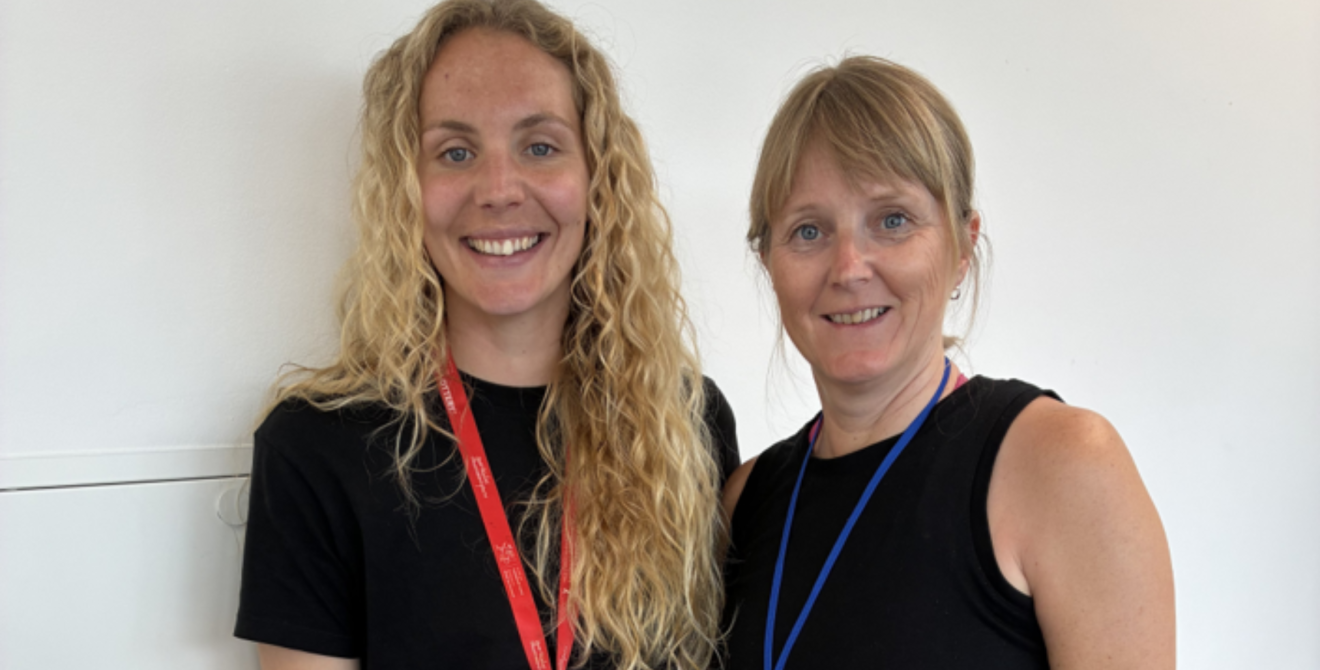
We caught up with Hope and Mel Davies, Daily Active Project Lead, to find out more.
What is the goal of Daily Active?
Mel: It’s to create more opportunities for children and young people to be physically active throughout the school day.
Hope: Daily Active helps schools to normalise movement outside of PE lessons – to adopt a 'whole school approach' to physical activity.
Mel: Daily Active has an ‘eight domain framework’ which can be used by schools to help implement this, covering areas like active travel and breaks, active and outdoor lessons, PE and extra-curricular activities and family and community engagement.
The approach aligns with the Curriculum for Wales, particularly the Health and Well-being Area of Learning and Experience. The goal is to embed physical activity into everyday school life in a meaningful, inclusive, and sustainable way.
Why is the Test and Learn phase necessary before Daily Active launches?
Hope: This phase is essential to better understand school environments, the barriers and challenges they might face, and what is already working well.
As the Daily Active Officer, I'm supporting staff at the pilot schools to complete a needs assessment, create an action plan outlining the ways in which they can make the most impact to provide children with more opportunities to be active throughout the school day, and also help them identify where further support or development is needed.
Mel: The learnings following this phase will help shape a practical, meaningful, and sustainable approach that aligns with the needs of schools and the Curriculum for Wales. It’ll also provide valuable insight for a potential national rollout of Daily Active across Wales.
The two schools you’re running the test at are very different – what common challenges have you noticed between them that the Daily Active approach will help with?
Hope: One of the main challenges has been supporting schools to plan how they can implement the Daily Active approach in ways that align with the Curriculum for Wales. Via 'Professional Learning Sessions' I'm also helping them understand how to use our Citbag resources to support planning and delivery, identify where to start, and create enjoyable, safe and developmentally appropriate movement opportunities across the curriculum and school day.
Mel: Time is also a major factor as teachers are balancing a huge range of priorities. Through the support Hope provides, schools are encouraged to start with small, achievable changes that can be embedded into pre-existing practice rather than creating additional workload.
Hope: Budgets are another common challenge. Schools regularly highlight restriction around transport, external visits, equipment and supply cover.
Daily Active helps schools make the most of the resources, environments and opportunities they already have, showing that increasing physical activity throughout the school day does not always call for financial investment.
Have there been any highlights so far from your visits?
Hope: I’ve enjoyed seeing how small and simple changes have a meaningful impact on children’s physical activity levels and wellbeing throughout the school day.
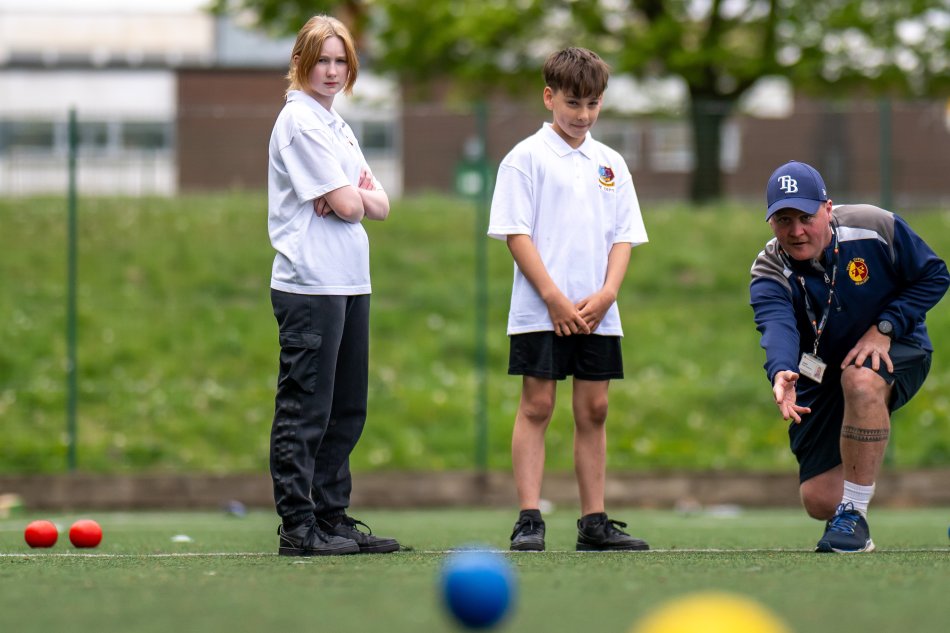
By encouraging more physical activity during playtimes, we’ve worked with staff and children to introduce a variety of simple but effective games using minimal equipment.
On several occasions, we’ve seen children choose to play these games in their own time, proving how effective simple interventions can be in creating more active environments. The children’s enthusiasm has been clear to see, as well as the positive effect physical activity can have on their wellbeing, fun and social interactions.
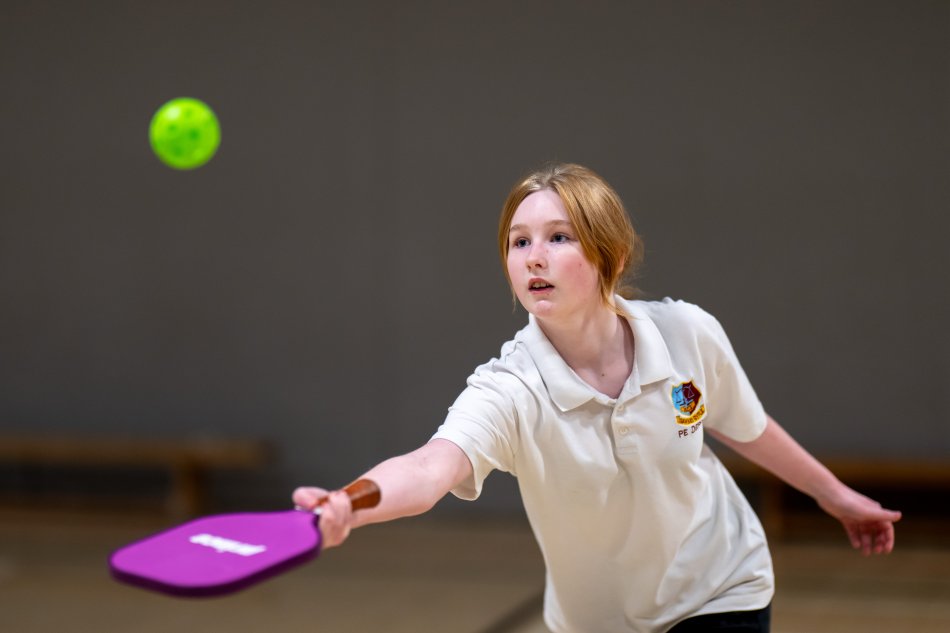
Mel: It’s been really positive to see the pilot schools take ownership of these activities, adapt them to suit their own needs and continue using them beyond the initial sessions.
Mel: Across both schools, staff have been extremely engaged, supportive and have come up with creative ideas to suit the needs of their individual school settings. This reinforces the importance of Daily Active’s flexible approach, and that a ‘one size fits all’ model is unlikely to work across all schools.
Mel: The Professional Learning Sessions also received overwhelmingly positive feedback from staff. They shared that the sessions and Citbag resources helped give them a clear starting point for developing the physical aspect of their schools' Health and Well-being curriculum whilst keeping to the Curriculum for Wales.
Staff took part in creative, team-based, and individual activities throughout the day - there was a real sense of energy, enjoyment and collaboration across the sessions.
Hope : A particularly positive outcome was that several members of staff enjoyed the experience so much that they went on to join a local social netball league afterwards! It’s been great to see how Daily Active can positively influence not only children and young people, but also the wider school community and staff wellbeing.